
Understanding the Early Signs of Menopause
Introduction
Menopause is a natural stage in every woman's life that marks the end of her reproductive years. Although it is a normal biological process, the physical and emotional changes that accompany menopause can sometimes be confusing or challenging. Many women experience symptoms years before menopause actually occurs, but they may not recognize these changes as part of the transition. Understanding these early signs can help you seek timely medical advice and explore the best menopause treatment in Guntur to manage symptoms effectively and maintain your quality of life.
Understanding the early signs of menopause is important because timely recognition allows women to manage symptoms effectively, maintain their quality of life, and seek medical advice when needed. Early awareness also helps distinguish menopause-related changes from other health conditions that may require treatment. If you are experiencing changes in your menstrual cycle or unusual symptoms, consulting the Best Gynecologist in Guntur can help determine whether they are related to menopause or another underlying condition.
In this article, you'll learn what menopause is, how perimenopause differs from menopause, the early symptoms to watch for, risk factors, lifestyle changes that can help, and when it is time to consult a healthcare professional.
Understanding Menopause
Menopause is the permanent end of menstrual periods due to the natural decline in ovarian function. A woman is considered to have reached menopause when she has not had a menstrual period for 12 consecutive months without another medical cause.
Most women experience menopause between the ages of 45 and 55, with the average age being around 51 years. However, the timing varies from one woman to another. Early menopause occurs before the age of 45, while premature menopause occurs before the age of 40. These conditions may require medical evaluation because they can have long-term effects on bone health, heart health, and fertility. Menopause usually happens as part of the natural aging process. However, it can also occur due to certain medical treatments, ovarian surgery, chemotherapy, radiation therapy, or genetic and autoimmune conditions.
Articles List
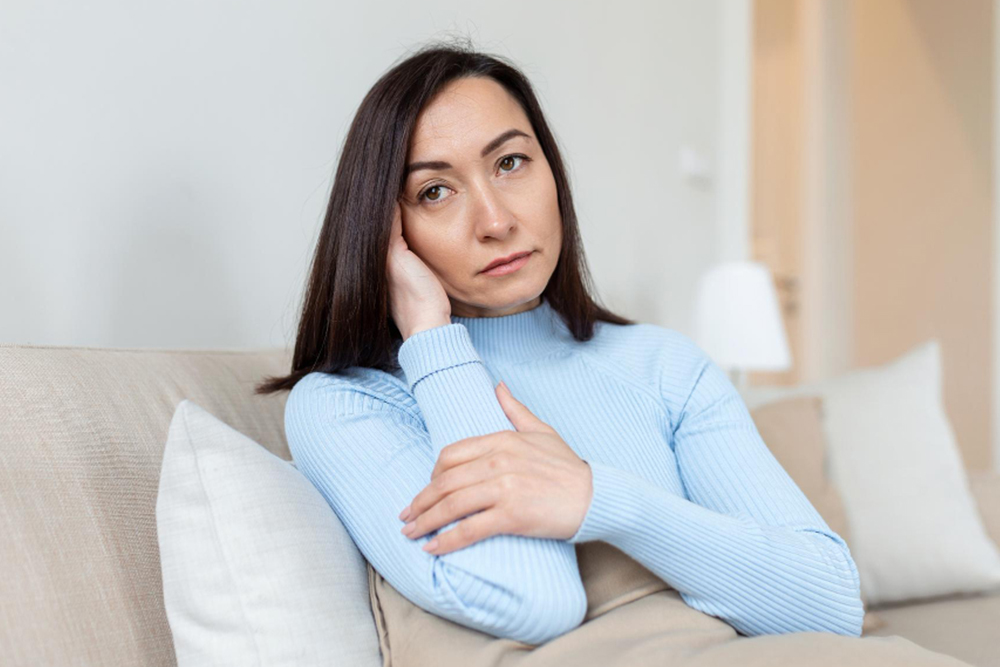
What is Perimenopause?
Perimenopause is the transitional phase before menopause. During this stage, the ovaries gradually produce less estrogen, leading to hormonal fluctuations that cause various physical and emotional symptoms. Unlike menopause, where menstrual periods have completely stopped, women in perimenopause still have periods, although they often become irregular.
Perimenopause may begin several years before menopause and typically lasts between four and eight years. Some women experience only mild symptoms, while others notice significant changes that affect daily life. Recognizing perimenopause early helps women understand that these changes are normal and allows them to seek appropriate medical guidance when necessary.
Early Signs and Symptoms of Menopause
The symptoms of menopause vary widely among women. Some experience only a few mild symptoms, while others may notice multiple changes occurring simultaneously.
Common early signs include:
- Irregular or unpredictable menstrual periods
- Hot flashes that cause sudden feelings of warmth
- Night sweats that interrupt sleep
- Difficulty falling or staying asleep
- Mood swings, irritability, or anxiety
- Brain fog and difficulty concentrating
- Persistent fatigue despite adequate rest
As hormone levels continue to change, additional symptoms may develop, including vaginal dryness, discomfort during intercourse, reduced sexual desire, increased urinary frequency, recurrent urinary infections, joint and muscle pain, gradual weight gain, thinning hair, and dry skin. Many of these symptoms overlap with other medical conditions. Therefore, seeking evaluation from Dr. Sindhu Kosaraju can help determine whether they are related to menopause or another hormonal disorder requiring treatment.
Why Do These Symptoms Occur?
The symptoms of menopause are mainly caused by hormonal changes occurring within the body. Estrogen is one of the primary female hormones produced by the ovaries. As women approach menopause, estrogen production gradually declines. Since estrogen affects many organs, including the brain, bones, skin, urinary tract, and reproductive system, lower hormone levels produce a wide variety of symptoms.
The ovaries also become less responsive over time, resulting in irregular ovulation and unpredictable menstrual cycles. These hormonal fluctuations often explain why symptoms appear before menstruation stops completely. Women experiencing significant hormonal changes may sometimes require Hormonal Imbalance Treatment in Guntur if symptoms become severe or interfere with their quality of life.
Stages of Menopause
Menopause is not a single event but a gradual process that occurs in three stages.
Perimenopause
This stage begins several years before menopause. Hormone levels fluctuate, menstrual cycles become irregular, and early menopausal symptoms start appearing.
Menopause
Menopause is officially diagnosed after a woman has gone 12 consecutive months without a menstrual period.
Postmenopause
Postmenopause begins after menopause and continues for the rest of a woman's life. Although many symptoms improve over time, reduced estrogen levels continue to affect bone strength, heart health, and overall well-being.
Regular health check-ups during all three stages help identify any long-term health risks early.
Who is at Risk of Early Menopause?
While menopause is a natural process, certain factors increase the likelihood of experiencing it earlier than expected. Women with a family history of early menopause are more likely to experience it themselves due to genetic influences. Autoimmune diseases can damage ovarian tissue and reduce hormone production earlier than normal. Certain medical conditions, chemotherapy, radiation therapy, and surgical removal of the ovaries may also lead to early menopause. Smoking has been associated with an earlier onset of menopause because it affects ovarian function. Some women undergoing evaluation for PMOS Treatment in Guntur may also have hormonal disturbances that require careful assessment, although PCOS and menopause are separate conditions with different causes.
Lifestyle Tips to Manage Menopause Symptoms
Although menopause cannot be prevented, healthy lifestyle habits can significantly reduce symptom severity and improve overall health.
Simple strategies include:
- Eat a balanced diet rich in fruits, vegetables, whole grains, and lean protein.
- Exercise regularly to maintain healthy weight, strong bones, and better mood.
- Follow a consistent sleep schedule.
- Practice stress management through yoga, meditation, or relaxation techniques.
- Ensure adequate calcium and Vitamin D intake for bone health.
- Quit smoking to reduce long-term health risks.
- Limit alcohol and excessive caffeine, which may worsen hot flashes and disturb sleep.
These lifestyle measures often work best when combined with regular medical guidance and individualized treatment plans.
When Should You See a Gynecologist?
Although menopause is natural, some symptoms require medical evaluation.
You should consult a gynecologist if:
- Your menstrual periods become extremely heavy or unusually frequent.
- Bleeding occurs after menopause has already been confirmed.
- Hot flashes or night sweats severely affect your daily life.
- Mood changes become persistent or interfere with relationships.
- Vaginal bleeding occurs unexpectedly.
- Urinary symptoms become recurrent or painful.
- You experience menopause before the age of 40 or 45.
Consulting a qualified Gynecology Specialist in Guntur helps ensure that symptoms are properly evaluated and that other medical conditions are ruled out before beginning treatment.
Conclusion
Menopause is a natural milestone, but every woman's experience is unique. Understanding the early signs—including irregular periods, hot flashes, sleep disturbances, mood changes, fatigue, and vaginal dryness—helps women recognize the transition sooner and seek appropriate care when necessary.
Early diagnosis allows symptoms to be managed effectively while also protecting long-term bone, heart, and reproductive health. Regular gynecological check-ups play an important role in identifying potential concerns early and ensuring women receive personalized care throughout every stage of menopause.
Whether you need guidance for menopause management or other women's health concerns, Sasya Fertility Centre provides comprehensive gynecological care tailored to each woman's individual needs. Regular consultations and timely medical advice can help you navigate menopause confidently while maintaining your overall health and well-being.
Frequently Asked Questions (FAQs)
1. At what age does menopause usually begin?
Most women experience menopause between 45 and 55 years of age.
2. What is the first sign of menopause?
Irregular menstrual periods are usually the earliest noticeable sign.
3. How long does perimenopause last?
Perimenopause commonly lasts between four and eight years, although it varies among individuals.
4. Can menopause cause weight gain?
Yes. Hormonal changes may contribute to increased abdominal fat and slower metabolism.
5. Are hot flashes normal during menopause?
Yes. Hot flashes are among the most common menopausal symptoms.
6. Can menopause affect sleep?
Yes. Night sweats and hormonal fluctuations often interfere with normal sleep patterns.
7. Is pregnancy possible during perimenopause?
Yes. Pregnancy can still occur until menopause is complete because ovulation may continue intermittently.
8. Does menopause affect mental health?
Hormonal changes may contribute to mood swings, anxiety, irritability, and difficulty concentrating.
9. Can lifestyle changes reduce menopause symptoms?
Yes. Healthy eating, exercise, stress management, and good sleep habits can significantly improve symptoms.
10. When should I seek medical treatment for menopause?
Medical evaluation is recommended if symptoms become severe, interfere with daily life, or if abnormal bleeding occurs.